Passwords are effectively the cornerstone of your business’ data security; if they aren’t up to muster, your protections could crumble. Alas, many users shortchange their passwords to try to make them more convenient, also making them more convenient for cybercriminals. Listed below: how we can make passwords as effective as possible.
Macro Systems Blog
Cyberthreats are no longer rare occurrences - they are constant, evolving, and frequently highly sophisticated. This reality makes a proactive approach to cybersecurity absolutely mandatory. Businesses that only react to attacks find themselves perpetually engaged in damage control.
Failing to establish a deliberate, comprehensive cybersecurity strategy exposes any organization to repeated breaches, critical data loss, and ultimately, a loss of customer trust that can lead to financial collapse. This overview details why addressing these persistent risks is critical for the success of any contemporary business.
The scariest online threats are the ones you don't even see coming. Picture this: a hacker tricks one of your employees with a clever phishing email, steals their username and password, and just walks right into your network. No alarms, no warning.
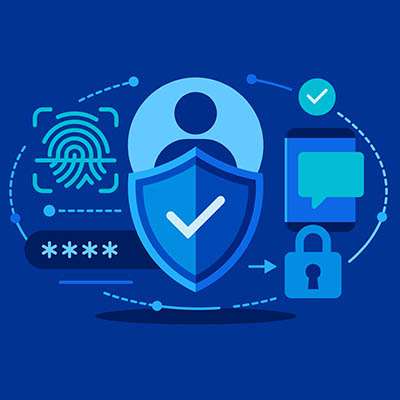
The good news is there's a simple fix that can make a huge difference: Multi-Factor Authentication (MFA). Just setting this up is one of the biggest steps you can take to make your business much safer and a lot less likely to suffer a catastrophic cybersecurity breach.
We know the headache well: that one important, but crusty, legacy application that the business relies on, but the vendor has long since abandoned. It's a non-negotiable part of operations, but it sits on an outdated OS or platform, a massive, blinking security vulnerability in the middle of our network. We can't patch it, and we can't immediately rip and replace it.
So, how do we sleep at night? The answer, increasingly, is via the strategic application of cloud computing. The cloud isn't just about cost savings or scalability; it's a fundamental change in how we manage risk, especially the risk posed by unpatchable, end-of-life (EOL) software.
From the classic Nigerian Prince emails to the cleverly crafted fake invoice, malicious digital correspondence is a constant threat to a business. It's not just about losing a few dollars. A successful phishing attack can cripple your operations, compromise sensitive data, and even lead to your organization's demise.
One of the most popular criticisms of generative AI tools is that they often “hallucinate,” or make up information, making them a bit unreliable for certain high-stakes tasks. To help you combat hallucinations, we recommend you try out the following tips in your own use of generative AI. You might find that you get better, more reliable outputs as a result.
Remember the stereotypical hacker? A single kid in a hoodie, fueled by caffeine and curiosity, breaking into a system just for the thrill or bragging rights? That image is obsolete. Modern hacking has evolved from a counter-cultural movement into a sophisticated, multi-trillion-dollar global industry.
Think about all the online accounts you have, from social media to banking to email. With so many accounts, it's imperative to make sure they're secure. Creating a strong, unique password is one of the best and easiest ways to protect yourself from hackers. Listed below is how you can create passwords that are hard to crack and keep your digital life safe.