

The AI Revolution is no longer a futuristic headline, it’s quickly becoming the operating system of the modern economy. As a business owner, you’ve likely already identified the AI tools you want to implement to stay ahead. The hard truth is that the best AI strategy in the world will fail if your team doesn't know how to use it safely and effectively.
Macro Systems Blog
In the late 1990s, computer security was simple: you locked the door to the server room and hoped nobody guessed that the admin password was “admin.”
Fast forward to today, and that is simply unrecognizable. Hoping for the best isn't just a poor strategy, it’s a liability. As you set your business goals for the coming year, it’s time to move past legacy mindsets. Modern protection requires more than just software; it requires a team that is trained, vigilant, and ready to act as your first line of defense.
As we stand on the threshold of a new year, it’s worth noting that the term "cybersecurity" didn't even enter the common lexicon until the late 1980s. Before that, we just called it "computer security" - mostly involving locking the server room door and hoping nobody guessed the password was "admin."
Fast forward to today, and the game has wildly changed. "Hoping for the best" is no longer a viable business plan. As you prepare your resolutions, it’s time to hit the ground running with a cybersecurity posture that is as modern as the threats we face, a goal that will require training for your entire team.
They say a man’s home is his castle. We’d contend that a more apt comparison is that someone’s business is more like their castle, realistically speaking.
As such, it is critical to ensure your security in every way possible. Much like a traditional castle was constructed to keep threats out, your business’ security needs to be approached in a similar way.
While we aren’t suggesting that you literally dig a moat or maintain cauldrons full of boiling oil, you do need to implement security measures that serve the same purpose for your business and its network.
For all the effort and investment a modern business needs to put into its cybersecurity, it is equally critical to acknowledge each team member's role in an organization’s security protections. Many of your employees, through no inherent fault of their own, are themselves a vulnerability as they allow many cyberthreats into your infrastructure via scams and simple mistakes. That being said, this doesn’t have to be the case.
Listed below: why it is imperative that you train your team to be a cybersecurity asset and how to do so.
Your organization’s ability to keep its digital information safe depends largely on how well its technology performs. This is why it’s important to teach your employees how to protect your company’s data. To start, it’s imperative to understand your company’s security posture. This refers to how actively you or your team work to protect your online presence. With the increasing use of cloud applications and remote work becoming more common, every employee plays a role in keeping the organization secure. Listed below: how your business can create a security culture designed to keep your data and information systems secure.
The threat landscape is littered with companies that have failed to adjust their security strategy to the most prevalent and modern threats. If you want to ensure you have the best chance at keeping your network and data secure, you need to build a strategy that actively addresses the threats that are actively trying to undermine your business’ security efforts. Listed below is how to adjust to today's threats competently.
Artificial intelligence is everywhere, and it is making data more valuable than ever. This is because AI platforms rely heavily on data to function effectively. Many platforms and services gather data from their users to fuel these algorithms. LinkedIn has recently been found to do this—by default—without properly informing its users or updating its terms of service.
Security awareness training is an imperative process for today's businesses to undergo to have any chance of success. Alas, as much as security software or policy can help, it can only do so much. You also need your team members to be on board, knowledgeable about what they need to do, and motivated to do it.
Listed below are some security awareness training tips.
Technology plays an enormous role for most businesses these days, and not everyone always grasps the importance of it. Most of the time, there is so much built into today’s enterprise software that it can often be overwhelming for workers to use it effectively. Listed below are three tips on how to help employees get a grasp of the technology their productivity depends on.
It can be challenging to deal with failure in any context, but in the case of your workplace projects, it can be especially harsh. This makes it all the more imperative to frame such failures as opportunities to grow in the future.
Listed below are six reasons an initiative may fail and the lessons that can be learned from these situations.
Cyberattacks will only continue in the weeks, months, and years to come, making it increasingly essential that businesses have access to cybersecurity expertise. Even more unfortunately, professionals with this level of expertise are becoming harder to find. Globally, we’re short almost four million people, and those we have are prone to make mistakes in their first few years. This comes from a report by Kaspersky, entitled “The Portrait of Modern Information Security Professional,” Let’s review what the cybersecurity developer found and what we can take away from these findings.
Phishing is one of the most prevalent issues individuals and businesses must confront when operating online. This is because there are literally billions of these scam attempts sent each day. That’s right, billions. With over a hundred billion scam attempts sent every year, your business is already getting phished, it’s just a matter of time before someone falls for it.
The effectiveness of your business' IT security heavily relies on the functionality of your IT operations. Making sure that your staff comprehends their role in safeguarding your business assets is critical. Let’s delve into the essential priorities for establishing a robust security training platform, an indispensable element in fortifying your business' IT defenses.
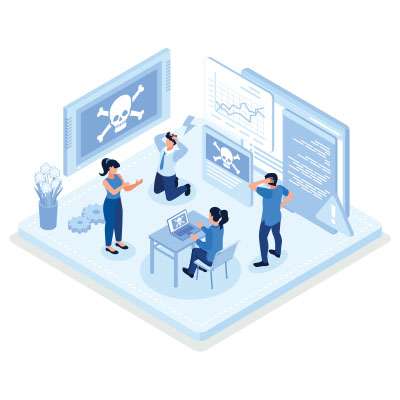
For the IT administrator and the small business owner, it can be a bewildering experience when your organization comes under siege from employee-induced cyberthreats; especially if you, like many other organizations, have started prioritizing security training. Even if the threat is thwarted early and the effect on the business is negligible, it is critical that you trust the people who have access to your organization’s digital resources. Listed below are some of the reasons some of your staff take cybersecurity initiatives worse than others.
When many companies look to hire new staff, they usually have a series of qualifications they need each applicant to meet before they grant interviews. They make their selection, do their entrance training, and then expect that the new hire will settle in and be as productive as possible as soon as possible.
Security is an incredibly critical part of running a business, but it’s extremely easy for busy employees to fall short of the security expectations you might place on them. This is why it is so imperative to train your employees on the many facets of cybersecurity. By training them, you are preparing them to tackle the variety of challenges they will encounter throughout the workday.
When you invest in a new technology solution, you might be wearing your rose-tinted glasses and expecting too much from the solution right out of the box. We all have expectations for what we want the solution to accomplish, but sometimes these expectations just are not realistic. Listed below are some common misconceptions people have about technology in the workplace, especially in regards to implementation.