

There's nothing quite like the feeling of getting scammed, and the scammers of today love using technology to rip you off and leave you with that sinking scammy feeling. The best way to avoid scams is to be proactive and know what to look for. New to your list of scams to be on the look out for are fake apps.

IT Support Business Models by Macro Systems
2014 has been a year of technological advancement, but with any kind of advances such as these, there will always be those who want to steal the work of others. According to the Identity Theft Resource Center and , as of March this year, there have been 204 instances of data breaches this year alone. These affected companies are perfect examples of why web protection is important. Macro Systems can provide you with this protection and peace of mind. Here are a few of the more unbelievable breaches, most of which could have been easily avoided.
Is your wireless router an older model? If it is, then you owe it to yourself to upgrade the latest model. Depending on your Internet connection, upgrading your wireless router may be the easiest way to increase your bandwidth. Next-gen routers also come with new easy-to-use security features that don't require passwords, making an upgrade worth the effort.
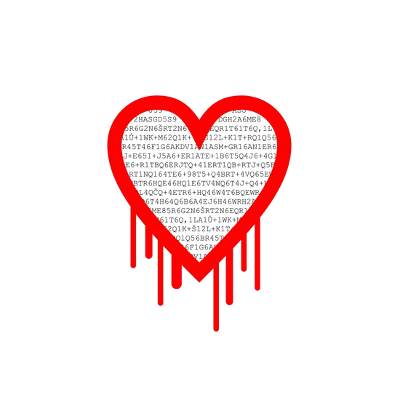
April 7th 2014 was a big day for the world, not only because Microsoft ended security support for Windows XP, but because a massive security flaw was found in the OpenSSL cryptographic library. This problem, called the Heartbleed bug, was found by Google Security, and it leaks information from any applications and services utilizing OpenSSL. The problem, however, is not that it was found; the problem is that over two-thirds of the entire Internet contains sites that utilize the OpenSSL/TLS protocol specification. It also doesn't help that this bug has been active since December of 2012.
Admit it, you've thought about moving some of your computing infrastructure to the cloud, but just couldn't take the leap because there is a perception out there that suggests cloud-based computing systems are less secure than the ones that you house within the confines of your office. The fact of the matter is that every piece of computing infrastructure has the same shortcomings as far as security goes. Whether hosted in a cloud or in an enterprise data server, the thing that makes data security work for business is having the right people managing your information.
The number of employees using their personal devices for work purposes (BYOD) continues to increase rapidly. According to Juniper Research, BYOD will account for over one-third of all mobile devices being used within the next few years. Not adjusting procedures to accommodate for this trend can leave your company's sensitive information vulnerable.
Just because you hit the delete button when using Microsoft Word doesn't necessarily mean that your information is gone forever. Thanks to Word's Track Changes feature, all of your deleted sentences can be easily retrieved. This is a very handy tool to help you out of a jam, but it can also be misused to leak secrets if you're not careful.
It's crucial that your company's network has a strong firewall in place to keep your data safe; although, one firewall may not be enough. In the case of an actual fire, you will want to have a real firewall to keep your servers safe. We're talking about a firewall for your firewall. This sounds redundant, but redundancy makes for good security.
Tech savvy individuals and businesses alike have moved away from traditional Internet browsers such as Microsoft's Internet Explorer and Apple's Safari to Google's Chrome browser. After all, many people enjoy having a simplistic, yet powerful web browser that easily integrates it's Google Docs tools and Gmail email service. However, users may want to think twice about using the browser now that a new YouTube video has surfaced entitled "Chrome Bug Lets Sites Listen to Your Conversations." In the video, user Tal Ater walks through a very dangerous exploit that allows anyone to access your microphone through Google's voice recognition software embedded in Chrome.
You may think that the standard security policies that come with your email account can protect you from hackers. It's an easy mistake to make, but the truth of the matter is that, if a hacker really wants access to an account, then they will employ every tactic possible to get it, which can make standard password security measures woefully inadequate.
There's a computer security threat so menacing that not even the best security technology can stop it. It's called psychology, and it's used with email phishing scams to trick users into overriding their security solution. The only way to stop this threat is with common sense, and unfortunately, there's no app for that.
All that stands between a hacker and your sensitive information is one puny password. You may think that your password is uncrackable because it has served you well all these years, but the reality of the situation is that an experienced hacker can break almost any password. Here are the most popular methods.
When considering network and computing infrastructure security for your business, you don't usually think about about alternative routes of delivery for these solutions; and especially don't consider that this technology is available without the traditional appliance. Now, comprehensive security solutions for your network, server, and end-user is available as a service, in the cloud.
The modern IT landscape is dramatically changing from a model where an IT department controls everything to companies outsourcing their IT services. This paradigm shift challenges older ideas about traditional network security equating ownership and control with strong security. Does your business view IT outsourcing as a security help or a hindrance?
Do you think your computer is the only technology you own that is vulnerable to hackers? You may be surprised to learn that there are other technologies in your office and home that can be hacked without you knowing about it. Here's a list of five of the most surprising technologies that may be putting your information at risk.