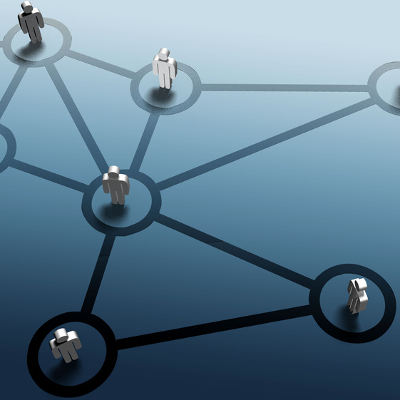

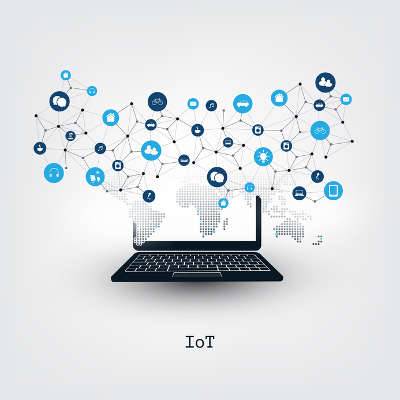
The Internet of Things is all around us, in our homes, our offices, and even our cars. While this connectivity can provide a more unified and automated approach to daily tasks, it has the downside of enabling certain security threats to go unfettered. A prime example are the IoT-driven botnets that seem to be increasing in popularity.

IT Support Business Models by Macro Systems
Has your business dealt with a phishing attack? If not, consider yourself lucky. There has been a massive spike in phishing attacks as hackers are aggressively going after organizations and the personal identifiable information they hold. These attacks are just not focused on typical businesses either, they are going after organizations that provide public goods. One place that has become a major target for hackers (and phishing attacks) are schools.
In the course of doing business your organization needs to lean on its communications investments. Efficient discourse between vendors, clients, and employees allows for productive action to be made quickly. If you have recently decided to deploy a feature-rich hosted VoIP business phone platform because of its ubiquity, you have to be cognizant of how to best secure your solution. Here are three variables that help you get the most out of your hosted VoIP solution.
Regardless of what industry a company is classified under, they all are responsible for upholding particular standards to ensure compliance with industry regulations. However, according to the 2016 State of Compliance survey, a shockingly high number of organizations were shown to be a bit fuzzy on their requirements.
Is your organization using the latest technology solutions? If so, that’s great--you’ve taken the first step toward achieving maximum productivity and efficiency. However, you need to realize that no technology solution comes without its quirks that need to be addressed. Here are two ways that your new technology solutions could potentially be putting your business’s infrastructure at risk.
One of the biggest benefits to the modern business is the scope and breadth of the Internet that connects them with potential and current clients and allows them to communicate their goods and services. This scope and breadth are also one of its biggest pitfalls, as there is plenty of room for the multitude of threats and other potential issues to reside as they menace businesses everywhere.
Security has never been easy for any business that deals with sensitive information. Nowadays, even a small business that uses an Internet connection has to worry about hackers and malware of all types. This is especially problematic for small healthcare offices that need to keep sensitive information secure and safe from online threats.
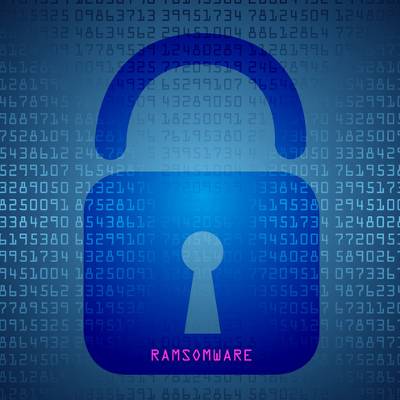
Ransomware, the unpleasant form of malware dedicated to denying users access to their own device, has become more prominent with mobile technology. While ransomware is typically associated with desktop computers, it’s fully capable of infecting mobile devices. Therefore, it should be no surprise that cases Mobile-based ransomware have increased nearly four-fold in the past year.
In a world where businesses either pride themselves on their security solutions, or have woefully unsecured networks, you need to understand that one of the most common threats to sensitive corporate data comes from within your organization. User error is the leading cause of data loss and security-related problems, although, it’s important to remember that they often have good intentions that may result in an unfortunate outcome.
Your organization is constantly at risk of being attacked by malicious entities. This is a fact that modern businesses have to live with. If this is the first time you’re seriously contemplating cyber security, you need to take all potential options into account; including the worst-case scenario, and how you would combat it.
It’s the nature of technology to grow more complex over time, and as it does, the types of threats grow alongside it. Security is now more important than ever before, and if your business is not prepared to handle the threats that lurk in the shadows, your organization could be running with an unnecessary crutch.
Accessibility and mobility are important parts of a business’s data infrastructure. To this end, some businesses take advantage of a Virtual Private Network (VPN), which has the power to extend a personal network over a private network like the Internet. However, with new services like cloud computing gaining traction, is it time for businesses to switch up their VPN policies to stay relevant in their industry?
As seen by the recent Superfish app debacle, software that comes preinstalled on a new PC shouldn’t always be trusted. Most of the time, the innate software on a device can be trusted; but the Superfish application is an exception. This app, which came preinstalled on new consumer class Lenovo PCs, such as those that are available at local retailers such as MicroCenter and BestBuy, between the months of September and December of 2014, can potentially compromise the security of your machine.
A couple of big names stand out when it comes to hacking attacks, but the recent Sony hack has really taken the cake. The GOP, who call themselves the “Guardians of Peace,” have exposed a ton of details to the public, including the company’s budget, their plans for layoffs, and 3,800 employee Social Security numbers. Now, they’ve released even more information; this time, it’s leaked personal emails, and judging from the content of them, Sony never wanted them to see the light of day.
Most search engines are pretty good at keeping malicious websites out of your search results, but just like any other piece of software on your computer, some search engines do a better job of keeping these threats out of your immediate access. According to TV-Test, a German independent testing lab, there’s a huge difference between the security of the world’s top search engines, like Bing and Google.
Business owners primarily concentrate more on the digital effects of hacking rather than the physical side of it. After all, hacking some code through a network can’t harm you or anybody else in the real world, right? Wrong. As shown by a recent hack in Germany, ignoring network security can be a dangerous gambit.
Public computers are like public restrooms. You really don’t want to use them unless you absolutely have to. Coincidentally, the reason to avoid each public service is the same; viruses--both of the biological and the digital variety. Thankfully, there’s a way to sanitize your data so that you can safely use a public PC.
In the past, we’ve been known to go into detail about threats, vulnerabilities, and how to protect your business while online. Distributed denial of service (DDoS) attacks aren’t new in the technology world, but notorious hacking group Lizard Squad has somehow managed to take out Internet service for much of Sweden with a faulty DDoS attack; an unprecedented feat, especially for a ragtag group of irate gamers.
The holiday shopping season is upon us and more people are choosing to shop from the comforts of their home PC or mobile device rather than fight the crowds. Shopping online is super convenient, but it’s not without the risk of identity theft. The best way to protect your digital shopping cart from hackers is to know how to safely shop online. We’ll show you how.