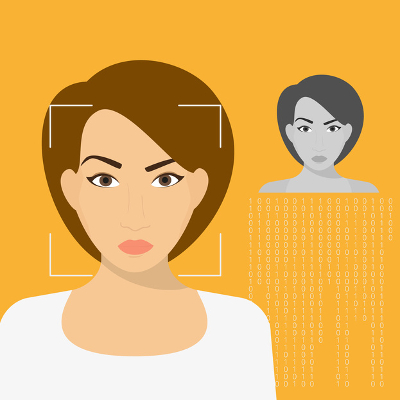


With all the advancements in security technology, it's only a matter of time before clunky passwords are replaced with a more secure and more convenient solution. Unlocking your technology with a fingerprint reader is an easy and fun alternative that's being integrated with some of the latest devices; but how safe are fingerprint readers?
IT Support Business Models by Macro Systems
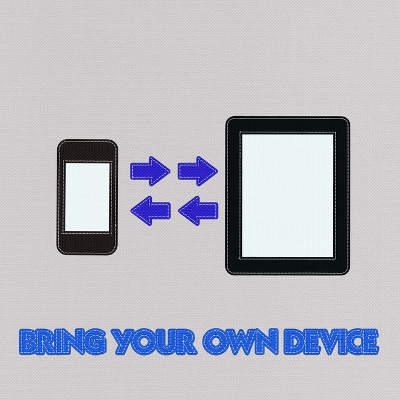
In our last blog article, we introduced the IT trend of employees bringing in their personal devices to work (BYOD). We looked at 5 ways BYOD can help your business, but BYOD is not without risks. In part 2, we will cover five risks BYOD brings to your company's network and what you can to do manage them.
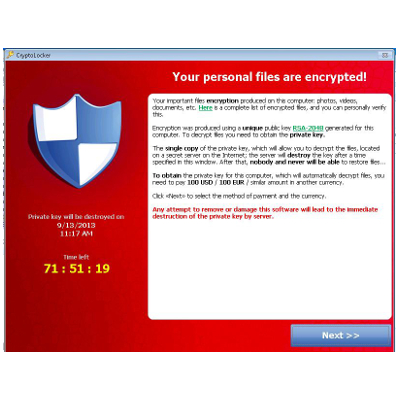
Trojan:Win32/Crilock.A is a new Internet virus that will cripple your computers. This severe virus is what's known as ransomware because it will hold your PC hostage and steal your data. It first made an appearance on September 10th, 2013, and it's keeping the cyber security world busy. Here's everything you need to know about Trojan:Win32/Crilock.A.
It's a network security best practice to regularly switch out old passwords for new ones. However, if you're the one changing and distributing the new passwords, you may face resistance from office workers that see this mandate as an inconvenience. To make sure everyone is onboard, you will need to preach the importance of password security.
Your identity has quite a lot of value, especially in the wrong hands. Security firm ZoneAlarm put together some numbers in 2011 concerning identity fraud, and it even shocked us. Let's talk about a few of these statistics and what it means.
Email is (and has been) a prime method of communication for businesses of all sizes. With email comes a whole slew of issues that are essentially synonymous with the technology; spam, information overload, phishing, and information privacy. Even Metro Washington, DC small businesses that only do business locally are at risk of these issues. Personal email accounts are equally at risk. Employing proper precautions and practices whenever communicating via email is very important to prevent the risk of security compromises, monetary loss, and even legality issues.
Smartphones may have been some of the first Internet-connected mobile devices, but they are still as vulnerable to attack as ever. This is especially true for those who forsake any sort of mobile device security policy. With modern businesses utilizing mobile devices, it’s more important now than ever before to have solid security practices in place.
The topic of online pornography can be rather uncomfortable to discuss, but it’s an issue that business owners need to be aware of; especially considering that 70 percent of all online porn access happens during business hours! Whoa. This statistic has some naughty implications for what your employees may be doing on company time.
Today’s headlines are dominated by stories of major companies getting hacked, making the average computer user feel uneasy about their security. If you’re solely dependent on a measly password to protect you from hackers, then you’ve got good reason to worry. Adding a second layer of verification is an easy way to protect your information. Here’s how to set up 2-Step Verification for your Google account.
The online world is a scary place. Viruses, malware, spyware, adware, and more are all out there trying to get at your network. These threats are almost always prevalent, but compared to each other, some are vastly superior and far more dangerous and advanced than the others. Advanced malware has the potential to disrupt your business’s operations, cause extensive data loss, and more.
Even the most innocent Internet user can fall victim to the stray hacking attack, and it’s all thanks to the manner in which malware reverse-engineers software. This process is how a hacker finds vulnerabilities in software. However, a new security concept might be able to protect software from the reverse-engineering method used by hackers.
Just like Silk Road (the illegal online black market designed to smuggle drugs around the world), there exists an online trade for zero-day exploits. Unsurprisingly, hackers find it exceptionally lucrative to sell these exploits for profit. Now, there’s a new marketplace where hackers can get their hands on these vulnerabilities, and it’s all thanks to the anonymity of the Darknet.
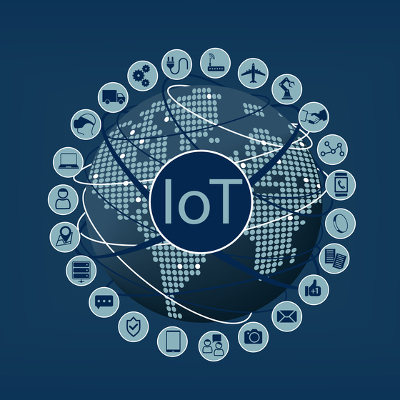
When you think of the Internet of Things, does your mind immediately wander into the realm of connected devices that change the way we interact with each other? Or, does it consider the security issues that can potentially become a threat to your entire network and technology infrastructure? Hopefully it’s a little of both, with an emphasis placed on security.
Network security entails a ton of different procedures, and it can be easy to lose track of what you’ve already implemented, and what still needs to be done. Instead of worrying about keeping your business’s confidential data safe, know with certainty that it’s as secure as possible by following our security checklist.
It might seem like the obvious reason for hacks and data loss is due to technology being unpredictable, but in all reality, it’s important to remember that some of the problems we experience with technology come from the people operating it. To this end, it’s important to realize that the people operating technology can also protect themselves from hackers.
In this day and age, a password isn’t enough to keep your accounts secure from attempted hacks. Passwords can be cracked as easily as anything. A lot of businesses have moved to two-factor authentication in order to preserve their data. There are several ways of using this for your business, but a new startup called BioCatch is developing an authentication procedure which looks at your mouse activity.
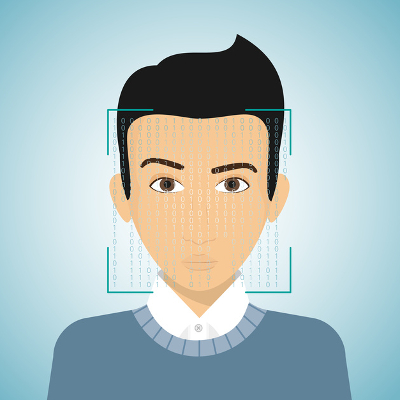
With plenty of new features to throw around, Windows 10 is shaping up to be quite the operating system. One feature that seems to have fallen off of everybody’s radar (so far) is Windows Hello, a brand new way to authenticate your PC login. By taking advantage of biometric scanning, your computer will let you log in just by looking at your face.
Every business executive knows the struggle of employee turnover. Your employees might come and go, but your data is one thing that you can’t afford to lose from your business. You might feel that you can trust all of the employees who have put in years of effort to ensure your organization stays afloat, but you may be surprised to learn that a significant number of them will probably leave your company with at least some corporate data.