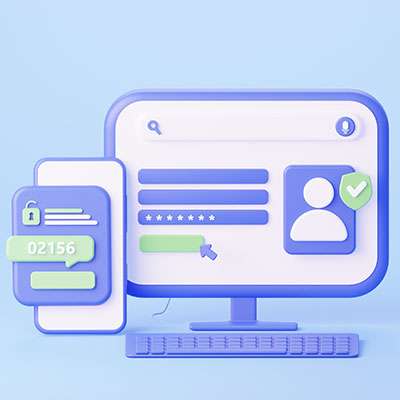


Whether you love them or hate them, passwords serve a critical purpose in the realm of cybersecurity. They are the first line of defense against potential threats, yet they are also notoriously easy to crack. Some of the biggest names in technology have been working on ways to get around the challenges presented by password security, including one that we are excited to highlight in today’s blog.
Macro Systems Blog
It hasn’t been very long since T-Mobile experienced its latest cyber attack, but alas, here we are again. Hackers have again accessed customer data, with 37 million customers being affected amongst both their prepaid and subscription-based accounts.
Listed below is an explanation of the situation, and what can be learned from it.
For a long time organizations that didn’t have any cybersecurity problems would never consider investing in additional cybersecurity tools. The decision-makers of these businesses simply didn’t find it necessary; and many of them had a point (until they didn’t). The modern threat landscape is much, much more complex than it was only a few short years ago and therefore businesses need to make a point to set up the security tools that will help them secure their network and infrastructure from threats. Listed below is a look at some strategies that work to help today's businesses secure their digital resources:
With countless threats out there waiting for IT professionals to slip up, it’s no wonder that many of these professionals are opting into what is called a zero-trust policy for their security standards. What exactly is a zero-trust policy, and more importantly, how is it so effective at mitigating security problems in organizational computing?
If Edgar Allan Poe worked in an office, here’s what one of his works would sound like:
True!—nervous—very, very dreadfully nervous I have been and am, but why will you say that I am mad? The office had sharpened my senses—not destroyed—not dulled them. Above all was my sense of hearing. I heard all things in heaven and on earth and many things in…the other place. So, how then am I mad, especially when I can so healthily and calmly tell you this story?
When it comes to your organization's cybersecurity, it can be tempting to operate under the assumption that the few cybersecurity events you hear about on the news are all that happen. Alas, this is far from actual fact. Listed below are some of the statistics that might change your impressions, especially if you hold the aforementioned assumption.
As Miguel de Cervantes wrote in Don Quixote, “...is the part of a wise man to keep himself today for tomorrow, and not venture all his eggs in one basket.” It was wise advice then, and it’s wise advice today, especially when it comes to your business’ network and your data security.
Below we explore the concept of network segmentation, and how it can help to protect your organization.
Consider this scenario: you’re going about your daily tasks when you receive an email from a cybersecurity company claiming that you have become the target of a hacking attack. You don’t work in IT, so you’re not sure what your security agency is or what security policies or procedures you have in place, so you trust the message and respond to the email. Alas, the message came from a cyberthreat, and now you are on their hook, line and sinker.
We are major advocates for multi-factor authentication, but it’s also imperative to understand that it’s not a catch-all solution. In fact, it has forced hackers to be even more innovative to find alternative methods of attack. One method hackers utilize to gain access to your systems is to use what’s called MFA fatigue to their advantage.
Let me ask you a few questions: how confident are you that you could spot an online ruse, and did you know there’s a stain on your shirt right now?
Did you look?
If so, you’ve just fallen for the school playground version of social engineering, a serious threat. Let’s discuss the kind that you’re more likely to see in terms of your business’ cybersecurity.
Your business is your livelihood, so it only makes sense to invest in its protections so that your livelihood is secure. This will require a strategic approach. Listed below is what your business needs to remain sufficiently secure, and what you should look for from each to get the best, most secure option.
Macro System has been known to take a bit of an extreme approach to cybersecurity—your business is at constant threat of being attacked by all manners of threats and all that. While we stand by this approach as an effective way to enhance awareness and adherence to cybersecurity needs, there are certain attacks that are more likely to target you. This is where risk management comes into play.
Modern Businesses have to deal with more potential problems than in any time in history. These problems include cost increases at every turn, personnel shortages, and a regulatory landscape that is always evolving. One of the biggest issues that can have a negative effect on a business is not having the processes and resources in place and working to secure its data and network. Listed below is a look at five suggestions that can work to help your business keep its network and data more secure.
A lot has been made about the Internet of Things (IoT) over the past couple of years. People have been buying technology they can control from their phones or from centralized smart hubs and it has resulted in a shift to the way people interact with technology. For today's businesses this can bring several pros and cons to the table. Listed below is a brief look at some of the pros and cons of deploying IoT technology in the workplace.
Data breaches—any event where an organization's confidential data is viewed, copied, or stolen by an unauthorized person or party—are a serious problem. Alas, they are also a serious problem that can be caused by no shortage of situations. Listed below are some of the causes of business data breaches so you’ll know what to keep an eye out for.
We’ve all seen our friends and family sharing quizzes on their social media profiles, prompting people to find out what their celebrity stage name or what Hogwarts house you would be in. These fun, lighthearted quizzes are a solid way to get to know a little more about the people we’re connected with… and that’s the biggest issue.
Network security could mean a number of things, but usually people are using the term as a blanket statement against the dreaded idea of malware and its numerous forms. Listed below is a discussion on how vast the world of malware can be and how often you might find yourself misunderstanding what it exactly is. Comprehending all this can help you identify if you have become a malware victim or not.
How many people do you fundamentally trust? In a zero trust network, that number is reduced to zero. The idea of such a network is that everyone, whether they’re operating inside of the network or out, needs to be verified… and as you might imagine, it has proven effective in preventing data breaches.
Cybersecurity is a massively critical consideration for modern businesses, and as a result, managing it is often given a considerable amount of time. However, recent developments suggest that this time can potentially be reduced by the use of “self-healing” security software. This may sound a little out there, but stay with us! We’ll explain.
Millions of people find themselves sitting in front of a computer moving files around and corresponding with people over the phone, through email, or updating info in the company’s line of business app. However, what many of them don’t know, is that, at any time, they are only a couple of clicks away from causing significant problems for their organization. This is why it is extremely imperative to train your staff on what to look for and how to address those situations when they do arise.