
Big data is now a critical resource for businesses of all sizes, including small enterprises. Modern businesses have unprecedented access to vast amounts of data, enabling them to make more informed decisions and operate more efficiently. This month’s newsletter explores how small businesses harness big data's power.
IT Support Business Models by Macro Systems
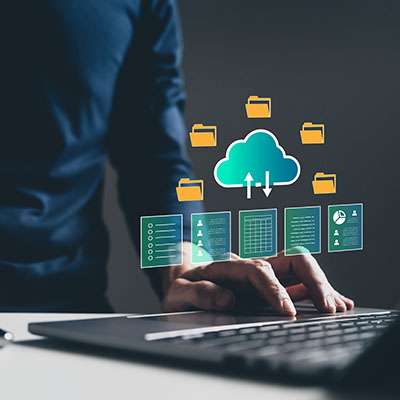
Business file sharing has become a daily routine. It's a critical part of collaboration, communication, and overall productivity. That being said, with the rise of cyberthreats, file security is more important than ever. It's not just about sharing files but doing it securely and efficiently. Listed below are some best practices for business file sharing.
What is digital waste?
Digital waste is all the useless data in our data storage that lingers until we do something with it. Extra files no longer needed, old emails and chats, and old, blurry pictures you never have and will never use… all qualify as digital waste. While it’s easy to discount digital waste as an annoyance, it creates a much bigger and more serious problem.
Ensuring that your organization's file-sharing policies and procedures are built to enhance security can significantly improve collaboration, distinguishing between efficient, streamlined processes and time-purging, wasteful practices. Navigating this terrain can be a challenge. Listed below are several best practices your business can adopt to optimize file-sharing.
Remote employees are in a conundrum when it comes to data security. While you might be able to protect data stored locally on your company’s in-house network, securing data in use by employees while out of the office is another matter entirely. How can you guarantee that your organization is protecting its data and other sensitive resources from prying eyes?
Your standard IT professional may suggest some common methods of network security such as implementing better preventative measures, like firewalls and antivirus. However, there is more that goes into network security—far more. If you’re not careful, you could accidentally miss some of these three security solutions and expose your business to potential threats. But we’re not about to let that happen!
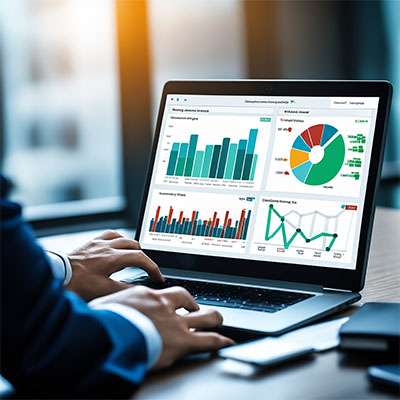
Any business can benefit from data and use it to enhance its operations. This is especially the case where information technology is involved. By collecting the right metrics, you can better evaluate your business IT’s performance and identify areas for improvement.
Let’s review what some of these metrics should be.
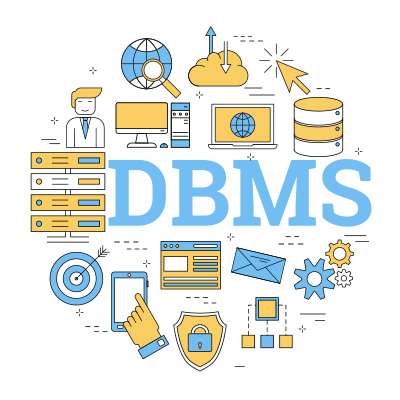
The importance of databases in the context of an average business may be understated: they serve as an indispensable tool for ensuring smooth operations. An efficient Database Management System (DBMS) is actually more imperative than you may realize. Listed below is a look at the DBMS and its pivotal role in elevating your business operations.
Over the past few years, artificial intelligence has become a bona fide buzzword amongst businesses of all sizes, with 97% of respondents to a Forbes survey seeing a potential benefit in some way, shape, or form. That being said, with it being integrated everywhere in our modern lives, it is critical that we remember that AI is still a human invention, and as such, it is vulnerable to our own implicit biases.
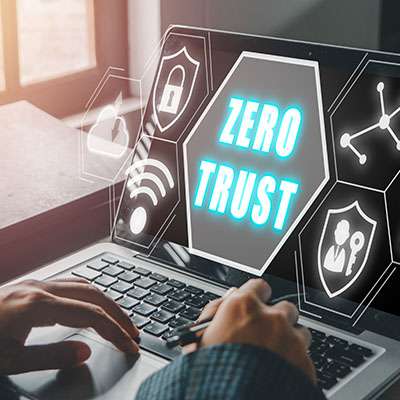
With ransomware becoming one of the most damaging threats out there for small businesses, it’s more critical than ever to know how to protect your organization from its influence. Fortunately, there are measures you can take, including some very powerful ones like zero-trust policies that can thwart attempted ransomware attacks.
Your business’ backup and disaster recovery preparations are an imperative part of your continued success as an organization, specifically, how they are measured by two key metrics: your recovery time objective (RTO) and your recovery point objective (RPO).
That being said, it’s critical that you are able to determine what your organization can support in terms of your recovery time and recovery point objectives… but how does one do that?
With data security being a hot commodity with hackers, it’s no surprise that companies want to do everything they can to protect their assets. One method for doing so is implementing a Virtual Private Network, or VPN, that can effectively obfuscate data while it’s in transit. Listed below are some of the most valuable reasons why your business should be using a VPN.
Over the course of a year, a month, or even a single day, your business accumulates and utilizes a lot of data. You need systems in place to make good use of this data, otherwise your business is leaving efficiency on the table. Listed below are some proper uses for your data and how to make the most of this golden opportunity.
Data privacy is absolutely imperative these days in both a business and individual context. In some locations, governments have introduced legislation to protect consumers, and in others, there is significant pushback in favor of fewer regulations on business. How does data privacy factor into your business’ operations?
You might see encryption as a major Advantage to your cybersecurity strategy, but it’s often utilized in a way that might have you guessing whether you really understand it. Listed below is a closer look into what encryption does to your data, as well as why it is essential for any business to ensure maximum privacy and security.
Professional sports has witnessed a significant shift in the way teams and organizations approach their strategies. Gone are the days when gut instinct and intuition were the sole driving forces behind decisions. Modern sports are increasingly relying on analytics to gain a competitive edge. Listed below is a look at the growing influence of analytics in sports and the ways in which data-driven insights have revolutionized the game.