

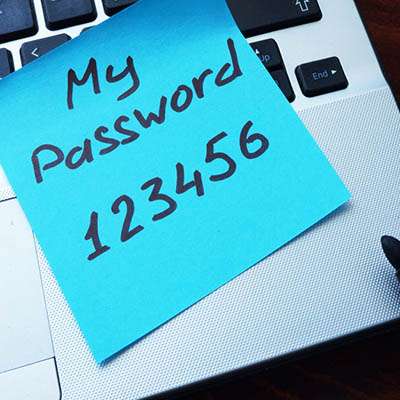
Running a business is already confusing enough without worrying about security at all times. Whether you own a small business or a multi-level enterprise, security is just as imperative for all the same reasons. Listed below are a couple of security strategies you can implement today to feel better about the current state of your infrastructure moving forward.
Macro Systems Blog
Phishing is the most common way hackers trick you, so to speak, but have you ever wondered why it’s so effective? Listed below is a list of the reasons why phishing schemes are so enticing to even the most security-conscious individuals out there. You might be surprised to know that even security professionals can fall prey to these types of attacks, and for very good reasons.
Did you know that phishing is the most common security risk to your business? Any of your employees could become the target of a phishing attack, and all it would take is downloading the wrong file or clicking on the wrong link to expose your organization to security threats. Listed below is a refresher on the throwaway signs of a phishing attack and how to protect yourself and your team from harm.
If you or your organization are concerned about cybersecurity, we’d like to say, “Congratulations, you get it!” Too many people fail to take cybersecurity seriously, and with hackers and data breaches making headlines worldwide, you cannot underestimate them. Listed below is how a cybersecurity consultant can save you time, money, and stress over your security systems.
How seriously does your company take data privacy? Can you back up your answer with concrete examples of what you do to prioritize that notion? These days we face a serious threat to both individual and consumer data privacy; how you can make data privacy a priority in your own life is listed below.
Cybersecurity is intensely critical, so a business owner would think implementing every security feature and defense would be a good idea. As research has shown, this can be counterproductive, as only 67% of surveyed security leaders know what led to cybersecurity incidents in their businesses over the past year.
The Disney brand has long cultivated an image of magic and wonder. That being said, this image has yet to materialize any magical effects in reality. For example: people still suffer from food allergies while visiting Disney’s various parks.
This makes it especially dangerous that a former Disney employee was allegedly still able to access a specialized menu-planning app and make alterations, like changing prices, adding language that Disney certainly would not approve of, switching text to the unintelligible “Wingdings” font, and worst of all… changing menu information.
In June of this year, publisher Chicken Soup for the Soul Entertainment, best known for its book series of the same name, filed for Chapter 7 and Chapter 11 bankruptcy and had many of its assets liquidated. One of these assets was the movie rental service Redbox and its eponymous scarlet rental kiosks, rendering the service defunct.
Nonetheless, many kiosks remain standing outside businesses even now, which makes us wonder… what about all the data they collected while they were in use?
A well-structured framework is essential for establishing effective, consistent policies and strategies. This applies to many areas, including network security. Listed below is a look into the National Institute of Standards and Technology (NIST) cybersecurity framework, which outlines steps to help safeguard your business.
This blog post is written in the format of a daytime soap opera. Please make sure you read all of the dialogue as if being whispered by extremely attractive television stars and starlets!
Life goes on in the small town of Oak Falls, deep woods surrounding the little hamlet nestled on the coast of Cape Seguridad. Let’s follow the lives of some of the residents, their lives Of Vice… and Vulnerability.
Would you trust a bank that locked its doors for the night but left all its cash in a big pile in the middle of the floor? Probably not— if someone managed to get through the doors, nothing would stop them from helping themselves to the money inside.
This is effectively how cybersecurity once worked, with the presumption that if someone had access to a network, they had permission to access any data on it. Luckily, many businesses have made the switch to a better approach, known as zero-trust security.
“I don’t need to worry about cyberattacks… my business is too small to be of any interest.”
This brief rationalization is one of the most dangerous fallacies a modern business can make concerning cybersecurity; it shows a fundamental misunderstanding of how modern cyberthreats operate. If this has been your mindset, we urge you to read on so we can help set you on a more realistic path.
Security awareness training is an imperative process for today's businesses to undergo to have any chance of success. Alas, as much as security software or policy can help, it can only do so much. You also need your team members to be on board, knowledgeable about what they need to do, and motivated to do it.
Listed below are some security awareness training tips.
Sextortion scams are scary. The scammer contacts the victim, claiming to have gotten access to their computer and captured video footage of their target engaging in some private and decidedly adult activities, as well as the content that was onscreen at the time. The threat: pay up, or I send the footage to all of your contacts.
However, lately hackers have added another layer of “proof” to these claims, now referring to victims by name and including pictures of their homes. Listed below are what one of these scams looks like and what you should do if one appears in your inbox.